• Home
  • IT Guides
  • How to setup an application user in Dynamics 365 CRM?
setup-application-user-in-dynamics-crm

How to setup an application user in Dynamics 365 CRM?

Are you having trouble setting up an application user in Dynamics 365 since Microsoft removed the “Application users” view from the users’ area in advanced settings? Don’t worry – we have a solution for you! In this article, we’ll guide you through the simple steps to set up an application user using the Power Platform admin centre. Say goodbye to frustration and hello to easy application user setup with our help. Let’s get started! 

  1. Navigate to the Power Apps admin centre (admin.powerplatform.microsoft.com) and sign in using your administrator credentials.
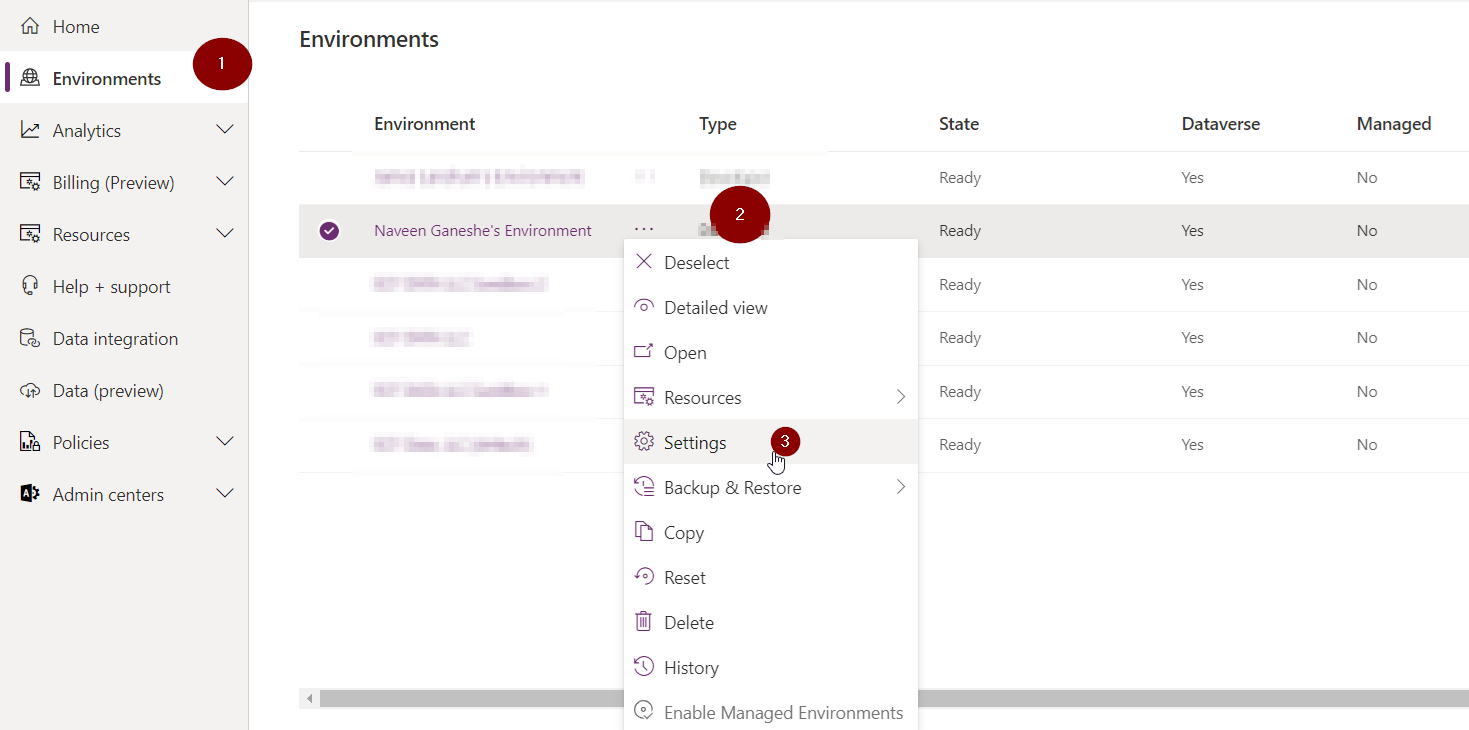
  2. Go to the “Environments” section and select the environment where you want to create the application user.
Dynamics-crm-1
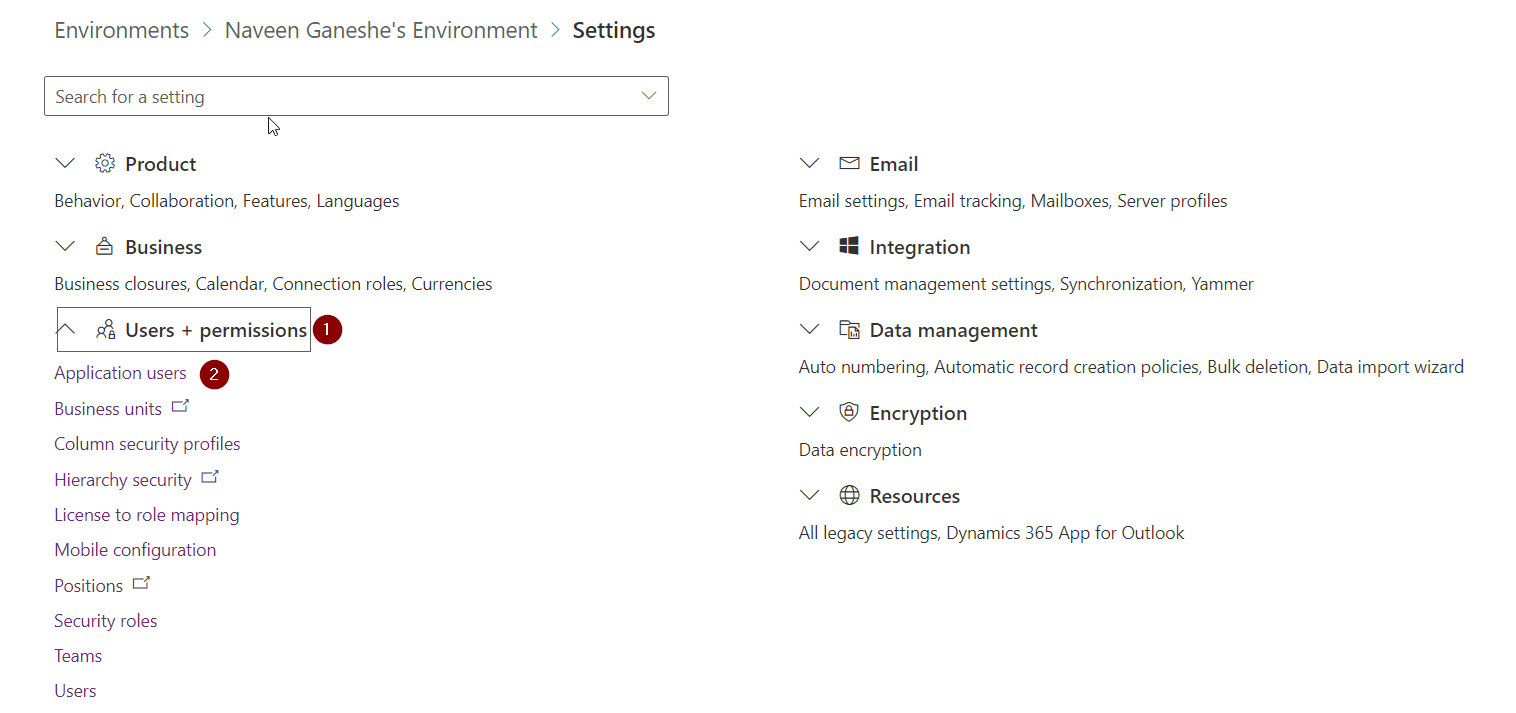
  1. Click on the settings from menu. It will open available settings for that environment. Now expand “Users + Permissions” section and you will see “Application Users” menu.
Dynamics-crm-2
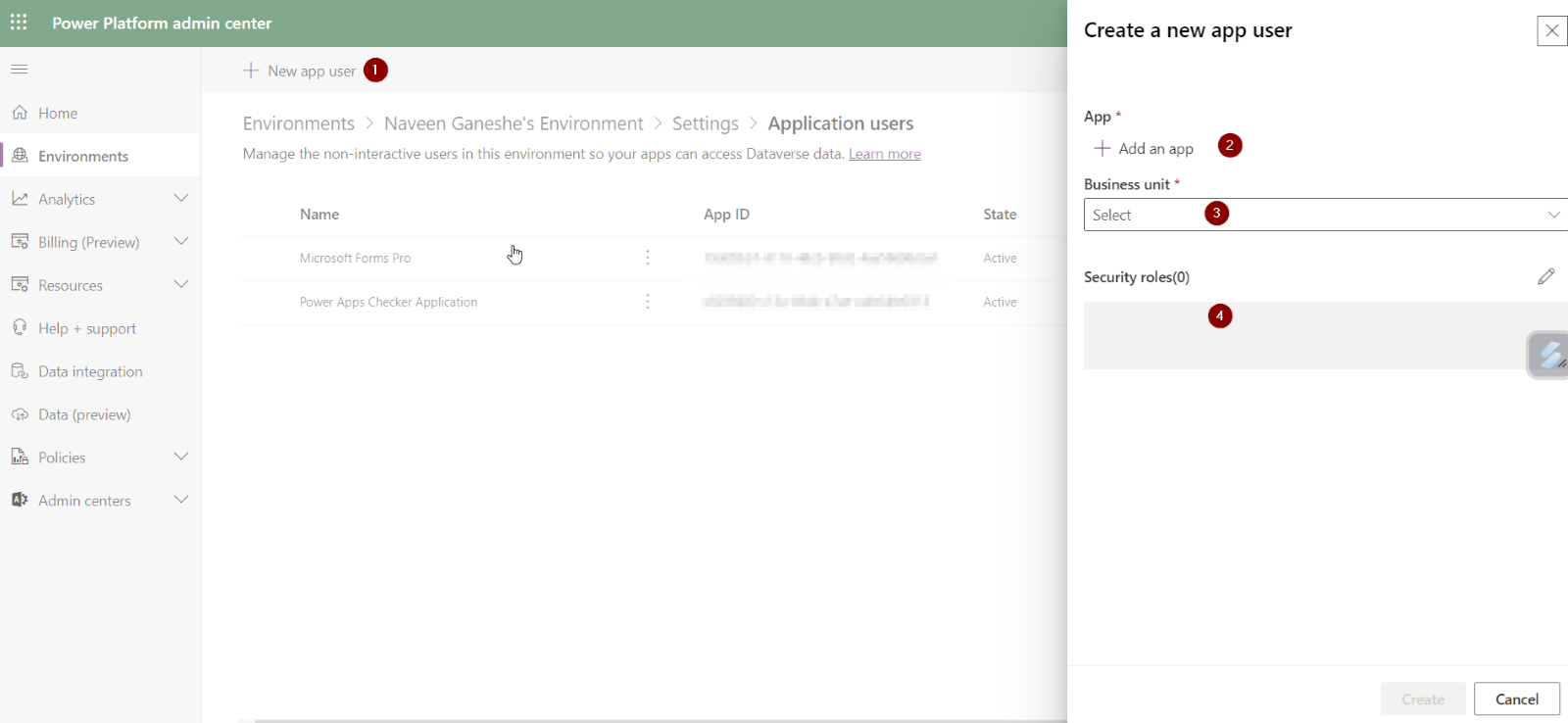
  1. Once we click on the “Application Users”, It will show list of available application users. We need to click on the “New app user” button from the top left side and a side panel will be visible for entering the information. Please see below screenshot for reference:
     
Dynamics-crm-3
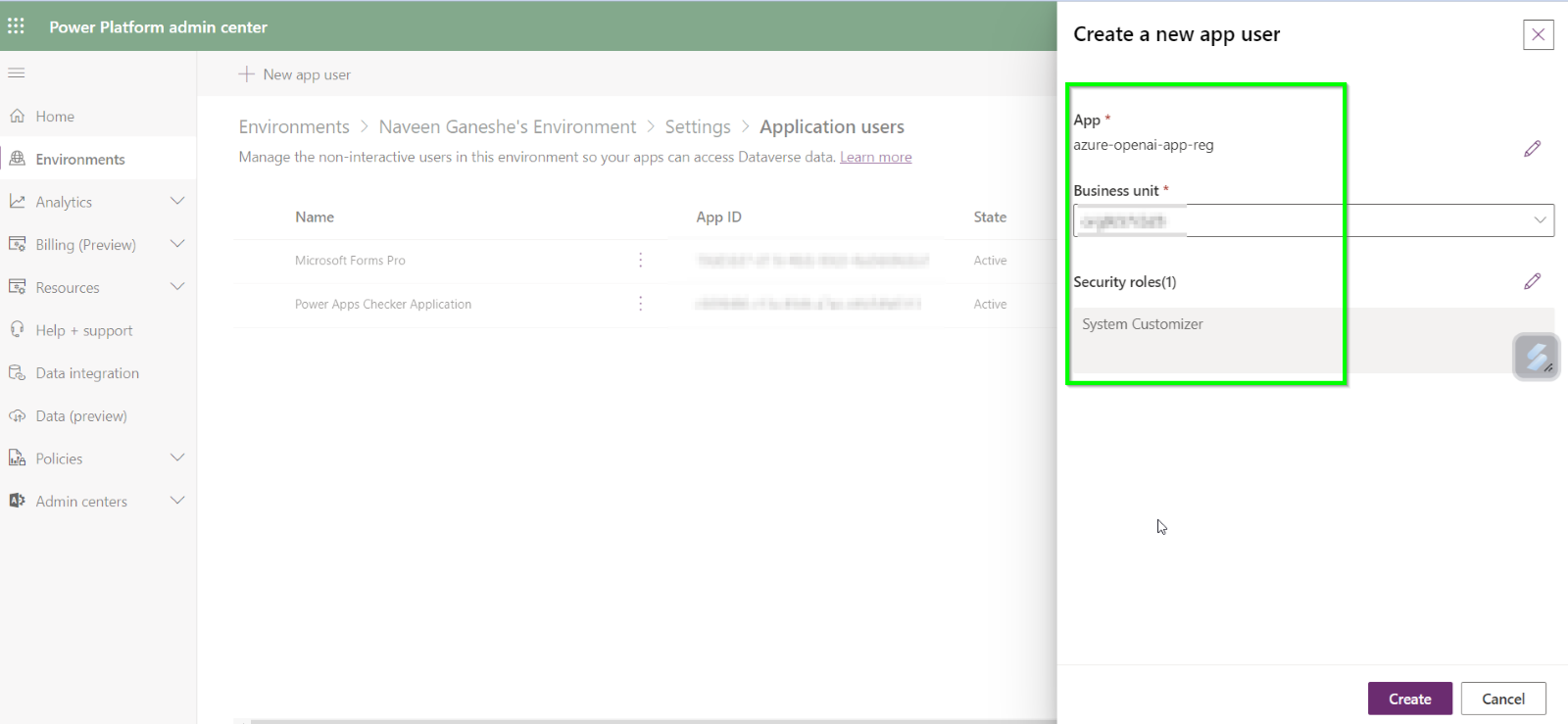
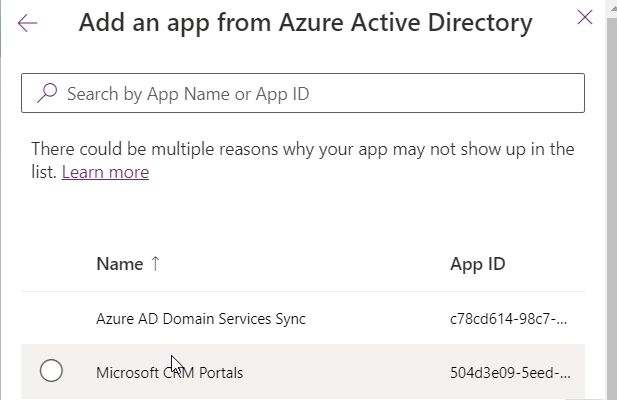
  1. Now we need to add more details like “Azure Active Directory app” (Please make sure you have already had an app created in Azure AD. It will list all the apps created in Azure AD), “Business Unit”, and correct security role. 
Dynamics-crm-4
Dynamics-crm-5
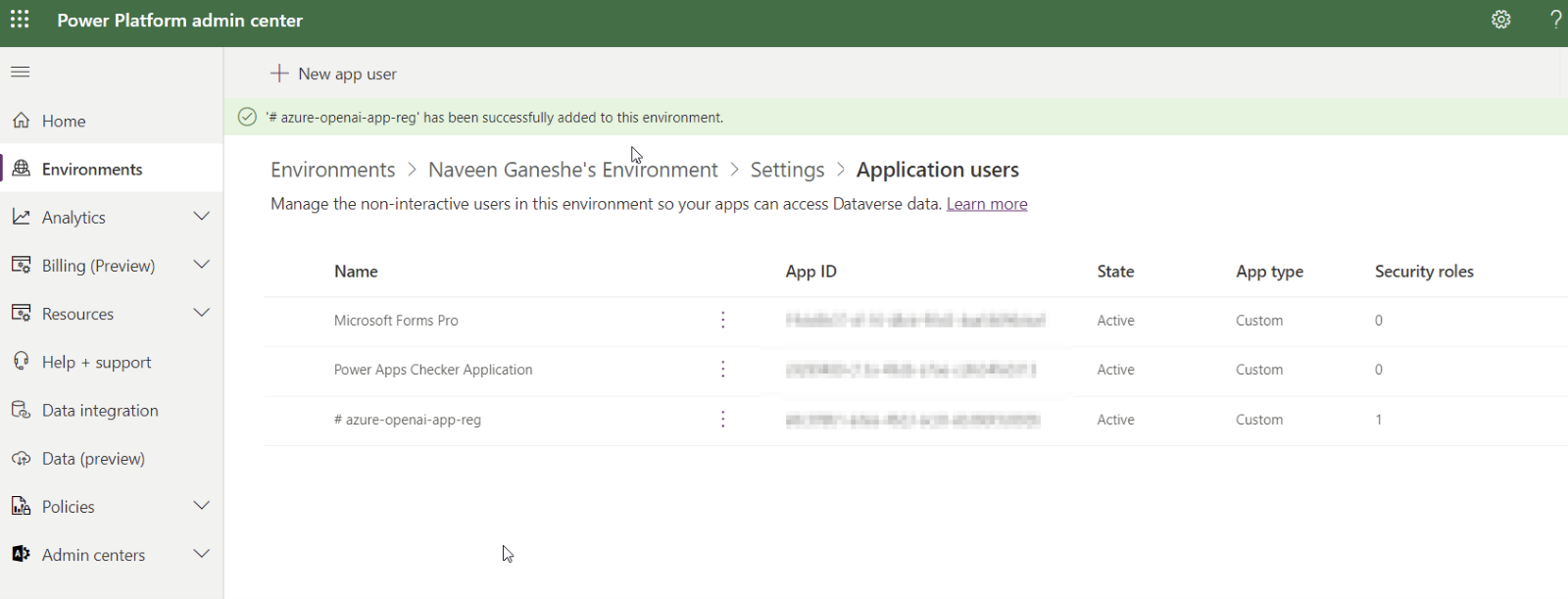
  1. Once all the information provided, we can click on the “Create” button in the bottom.
Dynamics-crm-6

That’s it! Congratulations, your application user is now equipped to make a positive impact on the world.   

Keep up the great work and happy CRM-ING! 

Leave a comment

Related Posts

The Subcontractor’s CUI Handoff: Trace One File from the Prime to Your Team (Before Copilot Finds It)

TL;DR:CUI data flow mapping for CMMC Level 2 means tracing one file through five steps in Microsoft 365:Ingress,Purview auto-labeling,SharePoint role-based access,Copilot grounding exclusion, andEgress.Each step…
Read More

Before You Request a GCC High Quote: 7 Questions to Scope Your CUI (And Avoid the All-In G5 Tax)

TL;DR:GCC High requirements depend on the type of CUI you handle—not your company size.Export-controlled CUI (ITAR/EAR) or contracts requiring US-only access point to GCC High.Many…
Read More

Microsoft Defender Updates & Compliance: What Leaders Need

Your security team just mentioned another Microsoft Defender update, and you nodded like you understood. Be honest: did you?You’re not alone. Most leaders know Microsoft…
Read More

Azure AI vs. Copilot: Why Your 2026 Strategy Needs ‘Agentic’ Workflows

In 2026, the question is no longer "Should we use AI?" but "Is our AI autonomous?" The shift from generative assistance to agentic...
Read More

CMMC Certification vs. Self-Assessment: The Definitive Compliance Guide for Contractors

CMMC compliance is a three-tiered framework designed to protect Federal Contract Information (FCI) and Controlled Unclassified Information (CUI)...
Read More

NIST 800-171 Rev 3 vs. Rev 2: What Defense Contractors Must Change in 2026

The most critical change in NIST 800-171 Rev 3 from Rev 2 is the introduction of 49 Organization-Defined Parameters (ODP) and three new control families:...
Read More

Registration

Forgotten Password?